Source Horizontal Centrifugal Booster Pipeline Pump for Water Supply, Irrigation, and HVAC
Explore 30 listings for the horizontal centrifugal booster pipeline pump designed for water supply, irrigation, and HVAC systems. Buyers can compare specifications including pressure ratings, motor types, and casing configurations from verified suppliers.
Key considerations
Products List


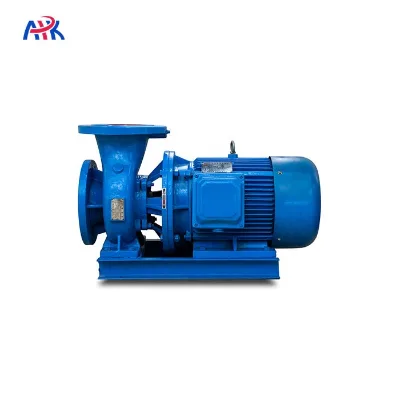


Comprehensive Sourcing Guide
Strategic Sourcing Guide for Horizontal Centrifugal Booster Pipeline Pumps
Understanding Core Technical Specifications and Configuration
When evaluating horizontal centrifugal booster pipeline pumps, the primary objective is to align the mechanical architecture with specific hydraulic requirements. The observed market data indicates a distinct bifurcation in design philosophies, ranging from horizontal split casings to vertical joint surface configurations. A critical observation in the current supply landscape is the variation in the position of the pump shaft. While the core keyword specifies "horizontal," some listings explicitly denote a "Horizontal Pump" configuration with a "Horizontal Split Pumps" casing, which is ideal for maintenance access and high-pressure applications. Conversely, other available units are categorized as "Vertical Pump" with a "Verticaljoint Surface Pump" casing. Buyers must rigorously verify that the physical orientation of the shaft matches the pipeline layout to avoid costly retrofits.
The impeller configuration is another decisive technical factor. The supply data highlights "Single Suction Pump" designs with a "Single-Stage Pump" impeller count, typically paired with a "Closed" impeller type. This configuration is often preferred for booster applications requiring high efficiency and stable flow rates. However, the market also presents "Double-Suction Pump" variants, which are generally utilized for higher flow capacities. The working pressure ratings observed span from "Low Pressure Pump" to "High Pressure Pump," with specific models capable of "Middle Pressure" operations. For booster applications, the "High Pressure" classification is often the target, though the specific "Max.Head" observed in certain listings ranges between 10-30m, which may require verification against the specific system head curve.
The material composition of the pump casing and impeller is equally critical for longevity. The available inventory frequently cites "Cast Iron" and "Cast iron/stainless steel" as primary materials. The choice between these depends heavily on the fluid being pumped; stainless steel is essential for corrosive environments or drinking water treatment, while cast iron is standard for general industrial utilities. Furthermore, the motor specifications must align with the pump's hydraulic demands. The data shows motors adhering to "IEC Standard" with a typical speed of 1450rpm, powered by a "380V" electric source. The power ratings observed include a specific 7.5kw unit, but buyers should expect a wide range of power sources to match the required flow and pressure.
Compliance, Certification, and Standard Verification
In the realm of industrial procurement, compliance is not merely a formality but a prerequisite for operational safety and insurance validity. The provided product data references specific model standards such as "EA32/13-02202" and "EGM40-3213-00554," which serve as internal or manufacturer-specific identifiers. While a background reference to "ISO 9905:1994" exists in the general knowledge base, it is not explicitly confirmed as a standard met by every listed unit. Therefore, buyers must treat this as a verification point rather than a guaranteed attribute. The procurement strategy should involve requesting explicit certification documents that confirm the pump meets the relevant international or regional standards for the intended application, such as ISO 5199 or ISO 2858, depending on the region of operation.
Certification checks should extend beyond the pump itself to the motor and the overall assembly. The motor is noted to be "IEC Standard," which implies compliance with International Electrotechnical Commission guidelines, but specific certifications like CE, UL, or ATEX (for hazardous areas) must be confirmed on a per-unit basis. The "Warranty" period observed in the market is 24 months, which serves as a baseline for quality assurance, but the terms of this warranty often depend on the specific supplier's adherence to quality control protocols. Buyers should verify if the warranty covers the motor, the mechanical seal, and the casing separately, as failure modes differ significantly between these components.
Additionally, the "Customization" and "Customized Support" attributes, listed as "OEM, ODM," suggest that many suppliers are willing to adapt the product to specific regulatory environments. This flexibility is crucial for buyers operating in regions with unique safety codes or environmental regulations. However, the "Customization" feature should not be assumed to include compliance with all international standards automatically. The buyer must explicitly state the required certifications in the Request for Quotation (RFQ) and demand proof of compliance before finalizing the order. The "Place of Origin" is noted as "China," with specific mentions of "Fujian" and "Henan," regions known for manufacturing hubs. While these locations have established supply chains, the specific factory audit reports and quality management system certifications (such as ISO 9001) should be requested to ensure the manufacturing process meets global benchmarks.
Cost Drivers and Pricing Structure Analysis
The pricing structure for horizontal centrifugal booster pipeline pumps is influenced by a complex interplay of technical specifications, material costs, and customization levels. The observed price range in the market is extensive, spanning from $25 to $50,000 USD. This wide variance is not indicative of quality differences alone but reflects the diversity in pump size, power rating, material composition, and pressure capabilities. A unit priced at the lower end of the spectrum is likely a smaller, cast-iron, single-stage pump with standard specifications, whereas a unit at the higher end likely features stainless steel construction, high-pressure ratings, and specialized motor configurations.
Material costs are a primary driver of price. The shift from "Cast Iron" to "Cast iron/stainless steel" or full stainless steel construction significantly increases the base cost due to the raw material expenses and the more complex casting or machining processes required. Similarly, the "Working Pressure" rating is a major cost factor. "High Pressure Pump" models require thicker casings, reinforced shafts, and more robust mechanical seals, all of which contribute to a higher price point compared to "Low Pressure" or "Middle Pressure" variants. The "Power" rating, such as the observed 7.5kw motor, also directly impacts the cost, as higher horsepower motors are more expensive and require more robust electrical components.
Customization is another significant cost variable. The availability of "OEM" and "ODM" services allows buyers to tailor the pump to specific needs, but this customization incurs additional engineering and tooling costs. The "MOQ" (Minimum Order Quantity) observed ranges from 1 to 15 sets. A lower MOQ of 1 set may result in a higher unit price due to the lack of economies of scale, while bulk orders of 15 sets might benefit from volume discounts. However, the "Packing" method, whether "Plywood Box," "Wooden Case," or "Plywood Case," also affects the final landed cost. Heavy-duty "Wooden Case" packaging is more expensive than standard "Plywood Box" packaging but is necessary for protecting high-value, heavy units like those weighing 90kg or more during international shipping.
Buyers must also consider the total cost of ownership (TCO) rather than just the initial purchase price. Factors such as the "Speed" of the motor (e.g., 1450rpm) and the "Efficiency" of the impeller design influence energy consumption over the pump's lifespan. A slightly more expensive pump with a higher efficiency rating may yield significant savings in electricity costs over a 10-year period. The "Warranty" period of 24 months is a standard offering, but extended warranty options or service contracts can add to the upfront cost while reducing long-term risk.
Typical Applications and Operational Context
Horizontal centrifugal booster pipeline pumps are versatile assets deployed across a wide spectrum of industries. The observed "Application" data highlights their use in "Automotive Industry," "Biofuel Industry," "Commercial Buildings," and "District Energy" systems. In "Commercial Buildings" and "Family Homes," these pumps are essential for maintaining consistent water pressure in multi-story structures, ensuring reliable flow for HVAC systems and domestic use. The "Drinking Water Treatment" and "Developing World Water Solutions" applications underscore the critical role of these pumps in public infrastructure and humanitarian efforts, where reliability and material safety (often requiring stainless steel) are paramount.
In the industrial sector, the pumps serve "Industrial Boilers" and "Industrial Utilities," where they must withstand high temperatures and pressures. The "Irrigation and Agriculture" sector utilizes these pumps for large-scale water distribution, often requiring high flow rates and durability against abrasive particles. The "Hvac OEM" application indicates their integration into heating, ventilation, and air conditioning systems, where they circulate chilled or heated water. The "Machinin" (likely Machining) application suggests use in coolant circulation for manufacturing processes. The versatility of the "Single Suction" and "Double-Suction" designs allows them to be adapted to these diverse needs, with the "Outlet Size" ranging from 32mm to 350mm to accommodate varying pipeline diameters.
The "Max.Capacity" observed in some listings exceeds 400 L/min, making them suitable for high-volume applications. However, for lower flow requirements, the "Max.Head" of 10-30m is sufficient for many booster applications. The "Color" being available as "Customer Specifications" allows for integration into facilities where aesthetic consistency is required, although this is a minor factor compared to performance. The "Cable length" of 8m observed in some units is a practical consideration for installation, reducing the need for additional cabling in remote or large-scale setups.
Supplier Evaluation and Sourcing Strategy
Selecting the right supplier is as critical as selecting the right pump. The market data indicates that suppliers are located primarily in "China," with specific manufacturing hubs in "Fujian" and "Henan." While these regions are known for their manufacturing capabilities, buyers must conduct thorough due diligence to ensure the supplier's quality management systems are robust. The "Customized Support" for "OEM" and "ODM" suggests that many suppliers are flexible, but this flexibility should not come at the expense of quality control. Buyers should request detailed information about the supplier's production capacity, quality assurance processes, and past performance in similar projects.
The "Brand Name" "APK" is observed in the market, but buyers should not limit their search to a single brand. Instead, they should evaluate multiple suppliers based on their ability to meet the specific technical requirements, such as the "Impeller Size" being "Be Trimmed on Request" or the "Outlet Size" matching the pipeline. The "Weight" of the pump, observed at 90kg for certain models, is a logistical factor that affects shipping costs and handling requirements. Suppliers with experience in handling heavy industrial equipment and providing appropriate "Plywood Case" or "Wooden Case" packaging are preferable.
Buyers should also assess the supplier's after-sales support capabilities. The "Warranty" of 24 months is a standard offering, but the responsiveness of the supplier in case of a failure is crucial. The "Customization" and "OEM Services Provided" indicate that suppliers are willing to work closely with buyers, but this requires clear communication and defined expectations. The "MOQ" of 1 set allows for small-scale testing, which is beneficial for verifying the pump's performance before committing to larger orders. However, buyers should be aware that lower MOQs may result in higher unit prices and potentially longer lead times for custom configurations.
Quality Control and Long-Term Procurement Considerations
Ensuring the quality of horizontal centrifugal booster pipeline pumps requires a multi-faceted approach to quality control. The "Material" composition, whether "Cast Iron" or "Cast iron/stainless steel," must be verified through material test reports (MTRs) to ensure it meets the specified grade and chemical composition. The "Impeller" type, specifically "Closed" impellers, should be inspected for balance and surface finish to minimize vibration and maximize efficiency. The "Motor" must be tested for electrical performance, including voltage, current, and insulation resistance, to ensure it meets the "IEC Standard" and operates reliably at the specified speed of 1450rpm.
Long-term procurement considerations involve planning for maintenance and spare parts availability. The "Impeller Size" being "Be Trimmed on Request" suggests that the pump can be adjusted for performance changes, but the availability of spare impellers and mechanical seals is essential for long-term operation. The "Cable length" of 8m is a fixed specification, so buyers should ensure that the electrical installation is compatible with this length. The "Package" type, such as "Wooden Case Package," should be durable enough to protect the pump during storage and transport, especially for units with a "Weight" of 90kg or more.
Buyers should also consider the "Working Pressure" and "Max.Head" ratings in the context of the system's future expansion. A pump that meets current needs but lacks the capacity for future growth may require replacement sooner than expected. The "Customization" options allow for tailoring the pump to future needs, but this should be planned early in the procurement process. The "Warranty" period of 24 months provides a baseline for quality, but buyers should negotiate extended warranty terms or service level agreements (SLAs) for critical applications.
Finally, the "Location" of the supplier, specifically "China," implies that buyers must account for international shipping logistics, customs duties, and potential language barriers. The "Lead Time" is not explicitly stated in the data, but buyers should clarify this during the negotiation process to ensure timely delivery. The "MOQ" of 1 to 15 sets offers flexibility, but buyers should balance the need for inventory with the risk of obsolescence. By focusing on these quality control and long-term considerations, buyers can secure a reliable supply of horizontal centrifugal booster pipeline pumps that meet their operational needs for years to come.
Comparative Analysis of Key Pump Attributes
To facilitate a clearer understanding of the variations in the market, the following table summarizes the key attributes observed in the supply data. This comparison highlights the diversity in design, materials, and performance capabilities, aiding buyers in making informed decisions based on their specific requirements.
| Attribute Category | Observed Variation | Typical Application Context |
|---|---|---|
| Shaft Position | Horizontal Pump vs. Vertical Pump | Horizontal for standard pipeline layouts; Vertical for space-constrained areas. |
| Casing Design | Horizontal Split vs. Verticaljoint Surface | Horizontal Split for easy maintenance; Verticaljoint for compact designs. |
| Impeller Type | Single Suction vs. Double Suction | Single Suction for high pressure; Double Suction for high flow. |
| Working Pressure | Low, Middle, High Pressure | Low for general circulation; High for booster and industrial boiler feed. |
| Material | Cast Iron vs. Cast Iron/Stainless Steel | Cast Iron for water/oil; Stainless Steel for corrosive or drinking water. |
| Motor Standard | IEC Standard | Ensures compatibility with international electrical grids. |
| Speed | 1450rpm | Standard speed for 2-pole motors, balancing efficiency and noise. |
| Packing | Plywood Box vs. Wooden Case | Plywood Box for lighter units; Wooden Case for heavy/fragile units. |
| Origin | Fujian, China; Henan, China | Major manufacturing hubs with established supply chains. |
| Warranty | 24 months | Standard industry warranty period for quality assurance. |
This table serves as a reference for buyers to quickly identify the specific attributes that align with their project requirements. By cross-referencing these observations with the detailed technical and compliance checks outlined in the previous sections, buyers can navigate the complex landscape of horizontal centrifugal booster pipeline pumps with confidence and precision.
FAQs
What is the maximum head range for these pumps?
The maximum head range observed is 10-30 meters. This specification applies to specific models like the EGM40 series, while other units may have different hydraulic curves depending on the impeller design and working pressure.
Which motor standards are typically used for these pumps?
Motors generally adhere to IEC Standard specifications. They often operate at 1450rpm with a 380V electric power source, and power ratings can include units like 7.5kw depending on the specific model requirements.
Can buyers request customization for these pumps?
Yes, customization is available with OEM and ODM support. Buyers can specify colors, impeller trimming, and other attributes, though specific certifications must be confirmed separately during the procurement process.
What materials are used for the pump casing?
The casing materials are typically cast iron or a combination of cast iron and stainless steel. The choice depends on the application, with stainless steel preferred for drinking water treatment or corrosive environments.
How is the pump shaft positioned in these units?
The pump shaft position varies, with options available for both horizontal and vertical configurations. Horizontal models feature split casings, while vertical models utilize joint surface casings for different maintenance and installation needs.
What is the minimum order quantity for these pumps?
The minimum order quantity ranges from 1 set to 15 sets depending on the supplier. A single set is often available, but bulk orders may affect the unit price and shipping logistics.
Where are these pumps manufactured?
These pumps originate from China, with specific manufacturing hubs in Fujian and Henan provinces. The place of origin is a key factor for logistics planning and supplier verification.